With growing concerns over data privacy, many are turning to solutions that prioritize security and encryption. Internxt stands out as a decentralized cloud storage platform, offering end-to-end encryption to keep user data safe from cyber threats.
Internxt has gained attention in the cloud storage market by addressing critical issues like data breaches and cybersecurity threats. Its approach has pushed competitors to rethink how they handle user privacy and data protection, setting a higher standard for the industry.
“Privacy is a right, not a privilege.”


With a strong background in technology and entrepreneurship, Fran has built Internxt into a trusted name for those seeking secure cloud solutions. His vision drives the company’s mission to create tools that help users.
Fran shared his thoughts on the future of cloud storage, highlighting the importance of zero-knowledge architecture and decentralized systems. He explained how Internxt tackles challenges in cybersecurity while staying ahead in data protection.

The full interview covers his insights on secure cloud solutions and how Internxt continues to lead in this space. Check it out for more details.
What inspired you to found Internxt, and how has your vision for the company evolved since its inception?
I founded Internxt because there was a growing demand for a more private internet experience—one that wasn’t centered around profiting from user data or constantly monitoring every action.
I wanted to create a suite of products where people could finally say goodbye to companies like Google and use cloud storage with a guarantee of privacy. From the start, my vision was to empower users by offering them control over their data, and we’ve stayed true to that vision throughout our journey.
We have evolved by listening to our community and focusing on making Internxt Drive more polished so we can continue to push forward and deliver the privacy-first solutions that our users truly value.
Can you explain Internxt’s approach to end-to-end encryption and how it differs from other cloud storage providers?
Internxt’s approach to end-to-end encryption is fundamentally different from many other cloud storage providers, especially big tech companies like Google. Providers like Google store files on their servers along with the encryption keys, meaning they can access and view user files if required by law.
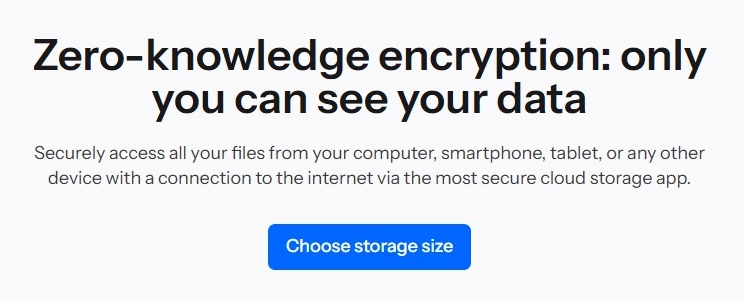
In contrast, Internxt is built on a zero-knowledge architecture. This means all encryption happens directly on the user’s device, and we never hold the encryption keys—only the user does.
Our early adoption of post-quantum encryption across all our products also sets us apart, making Internxt one of the first cloud storage companies to future-proof against the evolving threats of quantum computing.
How does Internxt’s open-source nature contribute to its security and transparency?
Internxt’s open-source nature is a core part of our commitment to security and transparency. By having all our code publicly available, people can verify and trust the security of our products for themselves.
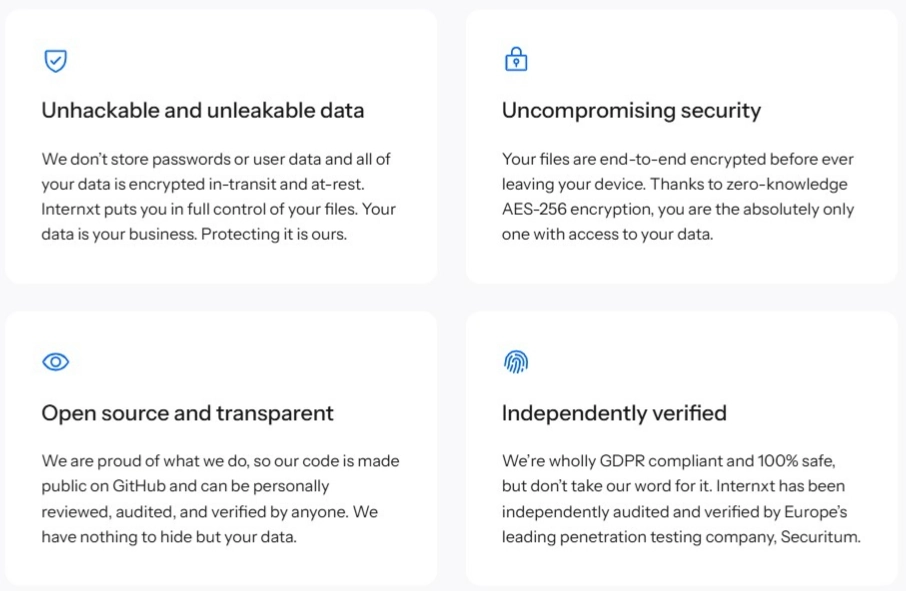
This level of transparency isn’t something you’ll find with most cloud providers, and it’s something our users genuinely value. It builds trust in our brand and allows the community to review our code, report issues, and contribute to its improvement.
What challenges did you face in developing a privacy-focused cloud storage solution, and how did you overcome them?
One of the main challenges we faced in developing a privacy-focused cloud storage solution was the intense competition from big tech companies like Google, Dropbox, and iCloud. These established players already had large user bases, so convincing people to switch to Internxt was a significant hurdle.

However, by focusing on our commitment to encryption, zero-knowledge architecture, and open-source technology, our unique approach resonated with those looking for a trustworthy alternative to mainstream cloud storage.
How do you see the cloud storage industry evolving in the next 5-10 years, particularly in terms of privacy and security?
Over the next 5-10 years, the cloud storage industry will evolve to address the growing threats posed by quantum computing. Google’s recent release of the Willow quantum chip, which can solve problems in minutes that would take traditional supercomputers billions of years, highlights the need for post-quantum encryption to protect data from potential breaches.
Additionally, trends like decentralization, zero-knowledge architecture, AI-driven security, and stronger regulatory compliance will further enhance privacy and data protection.
What are your thoughts on the growing importance of data privacy in cloud storage, especially in light of recent data breaches and privacy concerns?
Data privacy in cloud storage is becoming increasingly critical, especially as data breach costs continue to rise yearly.
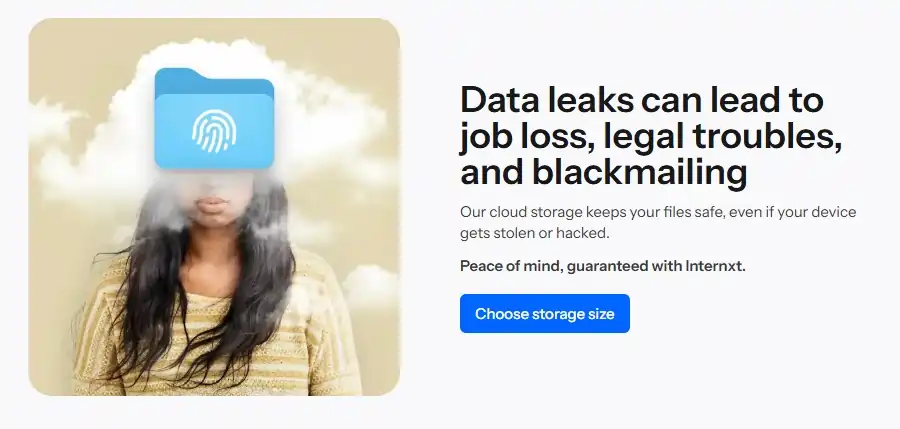
Despite advances in security, industries like healthcare and finance still lose millions to breaches. This underscores the importance of businesses and individuals to prioritize data privacy alongside cloud storage.
Basic measures, such as strong passwords and two-factor authentication (2FA), are essential in preventing data leaks alongside backing up files regularly and having strict access management controls in place for documents and files when using cloud storage for business.
Can you share some of Internxt’s plans for expanding its services or entering new markets?
We aim to build off Internxt’s success in 2025, when we launched S3 object storage, WebDAV support, and business plans. Looking ahead, we’re excited to expand our product lineup with Internxt Mail, a private email service, and Meet, a platform for secure video calls.
Additionally, we’re enhancing our already successful VPN by adding more server locations, giving users even greater options for private browsing. We also plan to integrate an antivirus feature directly into our Drive app, protecting users against malware threats.
These expansions reflect our ongoing commitment to providing a comprehensive suite of privacy-first tools for everyone to protect their data online.
How does Internxt ensure compliance with data protection regulations like GDPR while maintaining its commitment to user privacy?
As we are based in Valencia, Spain, Internxt ensures compliance with GDPR requirements for cloud storage through various practices beyond encryption and zero-knowledge architecture.
We implement strict data minimization policies, ensuring we collect and process only the information necessary to provide our services. Additionally, we offer users complete control over their data, including the ability to permanently delete files, ensuring compliance with the “right to be forgotten.”
Our operations include regular security audits and access controls in our Drive product to prevent unauthorized access, more importantly, we never track or share user data.
What role do you see artificial intelligence playing in the future of secure cloud storage?
Artificial intelligence is already shaping the future of secure cloud storage, and we’re actively planning to implement it to enhance our products to improve security and performance without compromising privacy.
I believe AI will play a pivotal role in preventing data breaches by continuously monitoring for vulnerabilities and identifying potential insider threats through behavioral analytics, among many more.
How does Internxt balance user-friendliness with robust security features?
All our apps offer full security as standard, with files encrypted on the user’s device by default. This eliminates the need for third-party tools or extra steps to secure files before uploading—everything is designed to be seamless and automatic.
We also prioritize simplicity in secure file sharing and access management. Users can easily share files securely and set up additional access controls, all with a quick and intuitive setup process. By combining these features, Internxt ensures that users enjoy top-tier security without compromising on ease of use.
What measures does Internxt take to protect against potential vulnerabilities in its distributed storage network?
By distributing files across multiple servers, we ensure that data is always backed up and accessible, even if a data center experiences outages, hardware failures, or natural disasters. This approach protects our user files from accidental data loss and makes it significantly harder for malicious actors, such as ransomware attackers, to compromise or lock access to the data.
This redundancy is critical for ensuring the reliability and integrity of our storage network.
Talking to Fran Villalba Segarra – CEO of Internxt, we received valuable insights into the future of cloud storage and the importance of data privacy. His expertise in decentralized technology and end-to-end encryption highlights how Internxt is influencing the tech industry with its privacy-first approach.
Throughout the interview, Fran highlighted the role of zero-knowledge architecture in ensuring user data remains secure. His vision for a safer digital world reflects Internxt’s commitment to cybersecurity and innovation.
This conversation not only clarified the challenges in cloud storage but also showcased how Internxt is addressing them. Fran’s leadership and focus on user-centric solutions make Internxt a standout in the data protection space.
What steps do you think other tech companies should take to improve data protection? Let us know your thoughts.
🚀 Get Exclusive Affiliate Marketing Secrets🚀
Discover the strategies, tools, and tactics used by the top 1% of affiliate earners!

Join 69,572+ Affiliates already leveling up their game
Affiliate Disclosure: This post may contain some affiliate links, which means we may receive a commission if you purchase something that we recommend at no additional cost for you (none whatsoever!)